tattoos
Dynamic Glitter Text Generator at TextSpace.net
Showing posts with label history of Christmas. Show all posts

Saturday, October 25, 2008

History of Christmas

History of Christmas

Christmas (IPA: /krɪsməs/) is an annual holiday that celebrates the birth of Jesus. It refers to both the day commemorating the birth, and also the Christmastide season which that day inaugurates, concluding with the Feast of the Epiphany. The date of the celebration is traditional, and is not considered to be Jesus' actual date of birth. Christmas festivities often combine the observation of the Nativity with various cultural customs, many of which have been influenced by earlier winter festivals. Although nominally a Christian holiday, it is also observed as a cultural holiday by many non-Christians.

In most places around the world, Christmas Day is celebrated on December 25. Christmas Eve is the preceding day, December 24. In Germany and some other countries, the main Christmas celebrations commence on the evening of the 24th. The day following Christmas Day, December 26, is called Boxing Day in the United Kingdom and many countries of the Commonwealth, and called St. Stephen's Day or the Feast of Saint Stephen in Catholic countries. The Armenian Apostolic Church observes Christmas on January 6. Eastern Orthodox Churches that still use the Julian Calendar celebrate Christmas on the Julian version of 25 December, which is January 7 on the more widely used Gregorian calendar, because the two calendars are now 13 days apart.

The prominence of Christmas Day increased gradually after Charlemagne was crowned on Christmas Day in 800. Around the 12th century, the remnants of the former Saturnalian traditions of the Romans were transferred to the Twelve Days of Christmas (25 December – 5 January). Christmas during the Middle Ages was a public festival, incorporating ivy, holly, and other evergreens, as well as gift-giving.

Modern traditions have come to include the display of Nativity scenes, holly and Christmas trees, the exchange of gifts and cards, and the arrival of Father Christmas or Santa Claus on Christmas Eve or Christmas morning. Popular Christmas themes include the promotion of goodwill and peace.
History of Christmas
http://www.christmas-day.org/gifs/history-of-christmas.jpg
History of Christmas


The history of Christmas dates back over 4000 years as the various custom and tradition associated with the festival of Christmas were celebrated centuries before the birth of Christ. The exact day of the Christ child's birth has never been pinpointed. Traditions say that it has been celebrated since the year 98 AD. In 137 AD the Bishop of Rome ordered the birthday of the Christ Child celebrated as a solemn feast. In 350 AD another Bishop of Rome, Julius I, choose December 25th as the observance of Christmas.

The History Of Christmas can be traced to some of the popular festival celebrated by early civilization that gave way to Christmas.

Mesopotamian: New Years
Many of these traditions began with the Mesopotamian celebration of New Years. The Mesopotamians believed in many gods, and as their chief god - Marduk. Each year as winter arrived it was believed that Marduk would do battle with the monsters of chaos. To assist Marduk in his struggle the Mesopotamians held a festival for the New Year. This was Zagmuk, the New Year's festival that lasted for 12 days.

Persians and Babylonians: Sacaea

The Persians and the Babylonians celebrated a similar festival called the Sacaea. Part of that celebration included the exchanging of places, the slaves would become the masters and the masters were to obey.

Europeans: Winter Solstice

Early Europeans believed in evil spirits, witches, ghosts and trolls. As the Winter Solstice approached, with its long cold nights and short days, many people feared the sun would not return. Special rituals and celebrations were held to welcome back the sun.

Scandinavia: Yuletide
In Scandinavia, during the winter months the sun would disappear for many days. After thirty-five days scouts would be sent to the mountain tops to look for the return of the sun. When the first light was seen the scouts would return with the good news. A great festival would be held, called the Yuletide, and a special feast would be served around a fire burning with the Yule log. Great bonfires would also be lit to celebrate the return of the sun. In some areas people would tie apples to branches of trees to remind themselves that spring and summer would return.

Roman: Saturnalia
The Roman's celebrated their god Saturn. Their festival was called Saturnalia which began the middle of December and ended January 1st. The celebration would include masquerades in the streets, big festive meals, visiting friends, and the exchange of good-luck gifts called Strenae.

The 25th was not only sacred to the Romans but also the Persians whose religion Mithraism was one of Christianity's main rivals at that time. The Church eventually was successful in taking the merriment, lights, and gifts from the Saturanilia festival and bringing them to the celebration of Christmas.
http://www.countryliving.com/cm/countryliving/images/Antique-Santa-Claus-Figurines-HTOURS1206-de.jpg

History of Christmas

Tuesday, October 14, 2008

Christmas Cards

Christmas Cards
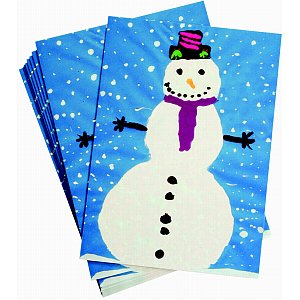
The first known Christmas card is printed on the front cover with a date of 1843. The original was in muted colours, hand painted, printed and sold for 1/- each (5p) - a lot of money in those days. Despite the date on this card, encyclopaedias say that Christmas cards were first sold in 1846!

By the 1860s the idea of sending cards had caught on as they were able to be produced much more cheaply with the invention of less expensive colour printing. The first Christmas cards had lace and flowery borders, but then they changed to more familiar designs.

http://www.stosyth.gov.uk/images/editor/Dec02ChristmasCards.jpeg

Christmas Cards

Christmas CardsChristmas Cards
Christmas Cards
Christmas Cards
Christmas Cards
Christmas Cards
Christmas Cards

Source: stosyth, iwasjustthinking, dogweb, soschildrensvillages, womenbygrace, global-b2b-network, treasures4spinners, stosyth, comparestoreprices

Saturday, October 11, 2008

Christmas Eve

Christmas Eve
Christmas Eve, December 24, is the day before Christmas Day, the celebrated birthday of Jesus. In the Western Christian Churches, the Christmas season liturgically begins on Christmas Eve, and is preceded by a four-week fast called Advent. The Mass of the Vigil is said in the late afternoon or early evening hours of December 24. The Christmastide season continues through until the Feast of the Baptism of the Lord on the Sunday following the Solemnity of the Epiphany.

Many Roman Catholics and Anglicans traditionally celebrate a midnight Mass (Eucharist) which begins sometime before midnight on Christmas Day; this ceremony, which is held in churches throughout the world, marks the beginning of Christmas Day. A popular joke is to ask what time Midnight Mass starts, but in recent years some churches have scheduled their "Midnight" Mass as early as 7 p.m. In Spanish-speaking areas, the Midnight Mass is sometimes referred to as Misa del Gallo ("Rooster's Mass"). In the Philippines, this custom lasts for nine days, starting on December 16 and continuing daily up to December 24, during which Filipinos attend dawn masses, usually starting at around 4:00-5:00 a.m.

Lutheran parishes often carry on Christmas Eve traditions typical for Germany and Scandinavia. "Krippenspiele" (nativity plays), special festive music for organ, vocal and brass choirs and candlelight services make Christmas Eve one of the highlights in the Lutheran Church calendar. Christmas Vespers are popular in the early evening, and midnight services are also widespread in regions which are predominately Lutheran. The old Lutheran tradition of a Christmas Vigil in the early morning hours of the 25th of December (Christmette) can still be found in some regions of Germany. In eastern and middle Germany many congregations still continue the tradition of "Quempas singing": separate groups dispersed in various parts of the church sing verses of the song "He whom Shepherds once came Praising" (Quem pastores) responsively.

Other churches also hold a candlelight service, which is also typically held earlier in the evening; these often feature dramatizations of the Nativity. Similar worship services are held in many Protestant churches on Christmas Eve or Christmas Day.

In the early evening, many Methodists come to their church to celebrate Holy Communion with their families. The mood is very solemn, and often the only visible light is the Advent Wreath, and the candles upon the Lord's Table.

The Nine Lessons and Carols broadcast annually from King's College, Cambridge on Christmas Eve has established itself as one of the signs that Christmas has begun in the United Kingdom. It is broadcast to many parts of the world via the BBC World Service. Source: Wikipedia.

Christmas Eve
Christmas Eve
Christmas Eve
Christmas Eve
Christmas Eve
http://www.theplatelady.com/plates7/christmas-eve-at-capital.jpg
Christmas Eve

Thursday, October 2, 2008

German Christmas Pictures

German Christmas Pictures
According to legend, on Christmas Eve in Germany rivers turn to wine, animals speak to each other, tree blossoms bear fruit, mountains open up to reveal precious gems, and church bells can be heard ringing from the bottom of the sea. Of course, only the pure in heart can witness this Christmas magic. All others must content themselves with traditional German celebrating, of which there is plenty. As a matter of fact, there is so much celebrating that is has to begin on December 6th, St. Nicholas Day.

As in many other European countries, on the eve of Dec. 6th children place a shoe or boot by the fireplace. During the night, St. Nicholas, the patron saint of children, hops from house to house carrying a book of sins in which all of the misdeeds of the children are written. If they have been good, he fills the shoe or boot with delicious holiday edibles. If they have not been good, their shoe is filled with twigs.

December 21st, supposedly the shortest day (longest night) of the year, is dubbed St. Thomas Day. In parts of the Sauerland, whoever wakes up late or arrives late to work on that day is issued the title "Thomas Donkey." They are given a cardboard donkey and are the subject of numerous jokes throughout the day. But this gentle abuse ends deliciously with round, iced currant buns called "Thomasplitzchen."

This is all preliminary to the excitement of Christmas Eve. Prior to the evening feast, is the presentation of the tree. The Christmas tree, as we know it, originated in Germany. It has a mysterious magic for the young because they are not allowed to see it until Christmas Eve. While the children are occupied with another room (usually by Father) Mother brings out the Christmas tree and decorates it with apples, candy, nuts, cookies, cars, trains, angels, tinsel, family treasures and candles or lights. The presents are placed under the tree. Somewhere, close to the bright display are laid brilliantly decorated plates for each family member, loaded with fruits, nuts, marzipan, chocolate and biscuits. When all is ready a bell is rung as a signal for the children to enter this Christmas fantasy room. Carols are sung, sometimes sparklers are lit, the Christmas story is read and gifts are opened.

"Dickbauch" means "fat stomach" and is a name given to the Christmas Eve because of the tradition that those who do not eat well on Christmas Eve will be haunted by demons during the night. So the opportunity is given to enjoy dishes such as suckling pig, "reisbrei" (a sweet cinnamon), white sausage, macaroni salad, and many regional dishes.

Christmas Day brings with it a banquet of plump roast goose, "Christstollen" (long loaves of bread bursting with nuts, raisins, citron and dried fruit), "Lebkuchen" (spice bars), marzipan, and "Dresden Stollen" ( a moist, heavy bread filled with fruit).


German Christmas Pictures

Source: z.about, german-way, devoncam, welcome.city.sapporo, hickerphoto, cometogermany, europeforvisitors, travelblog

Tuesday, September 30, 2008

Father christmas history

Father christmas history
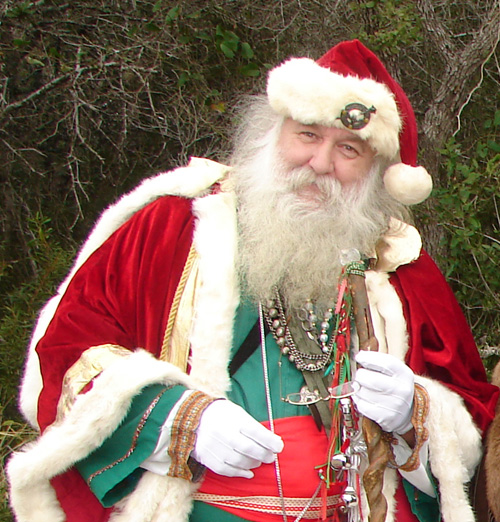
Modern customs of the holiday include gift-giving, church celebrations, and the display of various decorations—including the Christmas tree, lights, mistletoe, nativity scenes and holly. The mythological figure Santa Claus (or Father Christmas) is also a significant modern indicator of Christmas, as he is traditionally believed by millions of children as being a bringer of gifts on or near Christmas Day. Santa Claus is generally believed to be the result of the syncretization of Saint Nicholas with elements from pagan Nordic and Christian mythology, and owes his modern appearance mostly to 19th century media.

Christmas is celebrated throughout the Christian population, but is also celebrated by many non-Christians as a secular, cultural festival. The holiday is widely celebrated around the world, including in the United States, where it is celebrated by 96% of the population.
http://www.abitoblarney.com/images/santairish5.jpg

Father christmas history
http://images.buycostumes.com/mgen/merchandiser/27331.jpg
Father christmas history
http://z.about.com/d/golondon/1/0/a/S/-/-/OldFatherChristmas.jpg
Father christmas history


blogger templates | Blogger